


Setting the right price for card readings is one of the first big decisions any Tarot, Lenormand, or Runes professional faces. It feels personal—after all, each session is a blend of intuition, time, and years of practice. Still, practical questions arise: what should we charge? How do we remain fair yet value our energy and skill?
We often hear stories of professional readers, beginners, and part-timers, all searching for balance. They might ask, “Am I undercharging? Am I being too bold?” To answer this, it helps to look at everything that goes into deciding rates. With tools like MysticLog, we’ve seen how organized documentation and supportive features can even shape how readers approach their pricing.
What to consider when setting your card reading fees
There are several points to weigh before landing on a number that feels fair both for your effort and for your clients. Let’s break down the major factors:
- Type and length of reading
- Mode of delivery (in-person, online, email, group)
- Reader’s experience and reputation
- Extra services (follow-ups, reports, package deals)
- Local market rates
- Professional tools and setup
Let’s look at each of these, using real-world examples from our network and learnings from resources like our detailed guide to Tarot pricing for more depth.
Session length and reading format matter
Pricing a five-minute “card of the day” differs from an in-depth, hour-long spread. Typically, shorter readings are priced lower, while deeper, longer sessions cost more. For example:
- Short, single-question sessions: $10–$25
- Thirty-minute readings: $30–$60
- Hour-long, full-deck or multi-spread sessions: $60–$120
Some people prefer email readings or pre-recorded video responses, while others want the personal touch of a video call or face-to-face meeting. We’ve noticed that in-person or live sessions tend to carry a premium—sometimes 10-30% higher—since the real-time energy and interaction add value.
Delivery method: online, in-person, or group?
Each way of delivering a reading comes with different expectations and price points:
- Online one-on-one (video/voice): Widely used, with flexible rates reflecting session depth and technology costs.
- Email or message-based: Often slightly cheaper as they lack live interaction.
- In-person private sessions: Typically higher, with readers able to factor in travel, venue costs, and atmosphere.
- Workshops or group readings: Priced per attendee (often $10–$40 each) or as a flat fee, reflecting group dynamics and prep time.
 Pricing for group events can be structured by head count or by time slot, which is helpful when teaming up for fairs or themed parties.
Experience and reputation—how do they affect rates?
A reader just starting out might feel unsure charging more than a small token donation. However, practice brings confidence. As skills grow, and positive word-of-mouth builds, both price and demand tend to rise.
Seasoned guidance always carries extra value.
We’ve found new practitioners often start with accessible rates—sometimes $5–$20 per session—to attract their first clients and gather testimonials. As they grow, building a digital log and portfolio in MysticLog or sharing detailed feedback with returning clients often helps justify gradual raises to match skill and time invested.
Do extras make a difference?
Many professionals find their clients value more than just the reading itself. Some extras to consider including—and what readers often charge for them—are:
- Detailed written reports: $5–$20 on top
- Email follow-up or question: $5–$15
- Custom spread or oracle blend: price on request
- Bundles or packages (multi-session): small discount per session, e.g., 3 for $70 instead of $90
These extras can help both reader and seeker get more from each consultation, especially by keeping organized notes and patterns. We cover more pricing strategies for extras and bundles in our guide for ambitious readers.
Market rates and local influences
Local economy and competition have their effect, too. Urban areas often support higher fees than rural settings, and communities with a strong interest in spiritual or metaphysical services will tolerate a wider range of pricing approaches. Check—for your area, your online platforms, and your own comfort level—what others of similar experience charge, then slot yourself appropriately.
Using professional tools to build value
Readers who present themselves professionally, maintain strong records, and offer reliable follow-up tend to naturally command higher rates. That’s part of why we built MysticLog—a tool for tracking readings, patterns, querent details, and even feedback, all in one safe place. It helps remind both reader and client that the service is focused, consistent, and evolving.
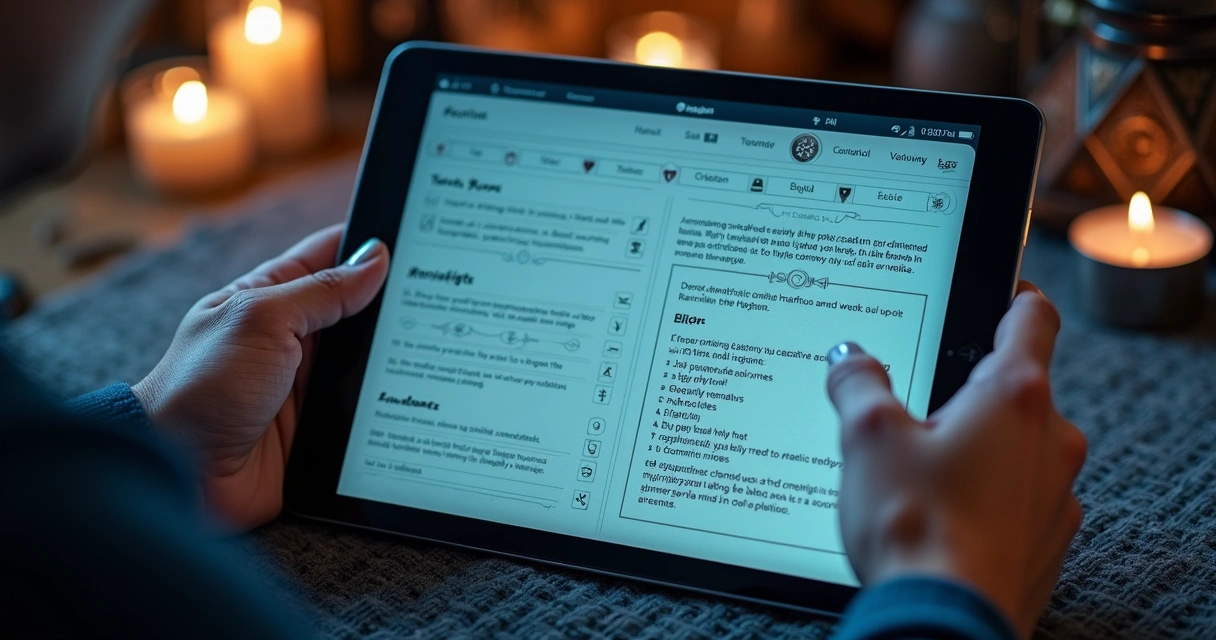 Learning to record sessions, track feedback, and refine interpretations is one way to gently improve price over time—plus, it gives peace of mind to both parties.
Examples for beginners and established practitioners
Pricing is not one-size-fits-all. To illustrate:
- A new card reader might offer: $10 for 15 minutes, $20 for 30 minutes, with one free follow-up by email.
- A mid-level or seasoned professional might offer: $40 for half an hour, $70 for an hour, $10 per extra follow-up, with a package of 3 sessions for $110.
Raise prices as experience grows, confidence in interpreting spreads deepens, or if you add features (like detailed reports or personalized study prompts). We have detailed advice on structuring this progression in our beginner’s guide to building a Tarot business and our ways to promote your card reading services.
Be open and clear with your clients
Communicating your pricing up-front is one of the simplest ways to set expectations and gain trust. Whether you display a price list on your website or discuss fees during an initial contact, openness helps avoid confusion down the road. Many successful advisors mention rates on their social media profiles, personal sites, profile listings, or client introduction emails.
It is also helpful to reconsider your pricing every few months, as your skills and offerings grow or as your feedback improves. With consistent logging of your work on platforms like MysticLog, you will see your own progress and spots where your fees might sensibly adjust.
For more insights, you might want to visit our simple guide to 52-card readings to see how card complexity can affect session structure and, in turn, your compensation.
Conclusion: Find your balance and grow with confidence
Setting card reading prices is both personal and practical. By considering your experience, session length, format, local factors, and the extras you bring, you’ll find a rate that honors both your craft and your time. Tools like MysticLog help organize readings and feedback, making progress easy to track and justifying your rates as you evolve as a reader. We encourage every practitioner to review, communicate, and update pricing with care and pride.
If you’re ready to streamline your divination work, organize your sessions, and track your growth in one place, try MysticLog and see how it can support your business at every level of your pricing journey.
Frequently asked questions
What is the average price for cartomancy readings?
The average cost for a basic card reading usually ranges from $20 to $40 for a half-hour session, but rates can be lower for brief questions and much higher for in-depth or specialty sessions. Pricing varies based on the reader’s experience, the type of reading, and any extras included.
How do I set my cartomancy rates?
We recommend starting with your personal experience and comfort level, researching local and online rates, and deciding on a structure that reflects the value you offer—including session length, delivery method, and any add-ons. Adjust your fees as your skills and reputation grow. You can check our expanded advice in the guide to cartomancy pricing on our blog.
What factors affect card reading prices?
Key factors include the time spent, format (such as in-person versus online), experience level, location, extras like written reports, and overall demand for your services. Even small differences—like using digital tools to manage notes and feedback—can affect what clients are willing to pay.
Are more expensive readers better?
Not always. Higher fees sometimes reflect experience, demand, and added features, but the most “valuable” reader is one who resonates with you and delivers clear, meaningful guidance. Some experienced professionals offer rates for every budget.
How much do online cartomancy readings cost?
Online readings typically start at $15–$30 for short sessions and run up to $100 or more for extended and detailed consultations. Pricing also depends on whether the reading is live, via email, or includes recording or reports.


