

Astrology often feels both mysterious and familiar—an ancient language that speaks through stars, planets, and symbols. As more people ask about signs and charts, the desire to understand how it all fits together keeps growing. At MysticLog, we know that organization and clarity make a difference, especially for those starting their journey. So, let’s break down the main astrology concepts, show how a birth chart is created, and guide you through each step, always focusing on practical, personal insight.
What is astrology, really?
In our experience, astrology is both a study and a tool. It connects our birth moment with the universe’s patterns at that very time. Unlike a simple horoscope in a magazine, astrology offers a full map—a birth chart—that tells a deeper story about who we are and how we interact with the world.
Astrology’s roots go back thousands of years. Over time, it grew into several branches, but the birth or natal chart—also called a horoscope—is one of the most used and asked-about tools among those learning the basics or working as diviners.
Astrology is about seeing timing, patterns, and personal meaning in the sky.
The core building blocks: signs, planets, houses, and elements
To understand astrology in a clear way, we always organize it into basic parts. Each plays a special role in interpreting a birth chart for yourself or someone else. Let’s list the core parts:
- Zodiac signs: There are 12, each representing a style, energy, or way of experiencing life.
- Planets: Not just the ones we see in the sky, but also the Sun and Moon. Each planet stands for an area of life or a trait.
- Houses: The chart is divided into 12 sections, like slices of a wheel, each ruling over certain life areas.
- Elements: Fire, Earth, Air, and Water. They describe modes of behavior and how signs “feel.”
We find that when beginners get these four basics, the rest falls into place with more ease. That’s why they’re at the heart of every session and lesson inside MysticLog.
How are birth charts created?
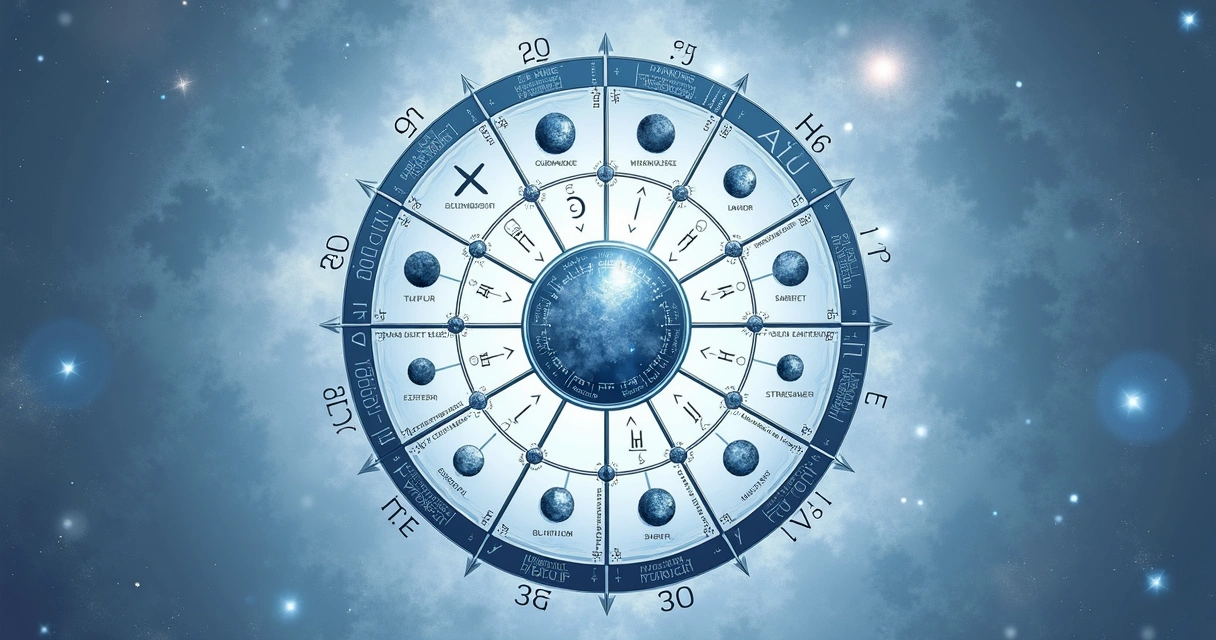
Many people think their Zodiac sign—read: Sun sign—is the whole story. It’s only part of the picture. A birth chart captures the cosmic snapshot of the sky at your exact moment and place of birth. This map is circular and detailed, and it is unique to every person.
- Date of birth: Determines the Sun’s sign and placement of planets.
- Time of birth: Sets the Ascendant (rising sign) and houses.
- Place of birth: Adjusts planetary and house positions to your physical location on Earth.
When we organize readings in MysticLog, this information is always recorded up front, making return visits and long-term interpretation smooth and precise.
 What do zodiac signs represent?
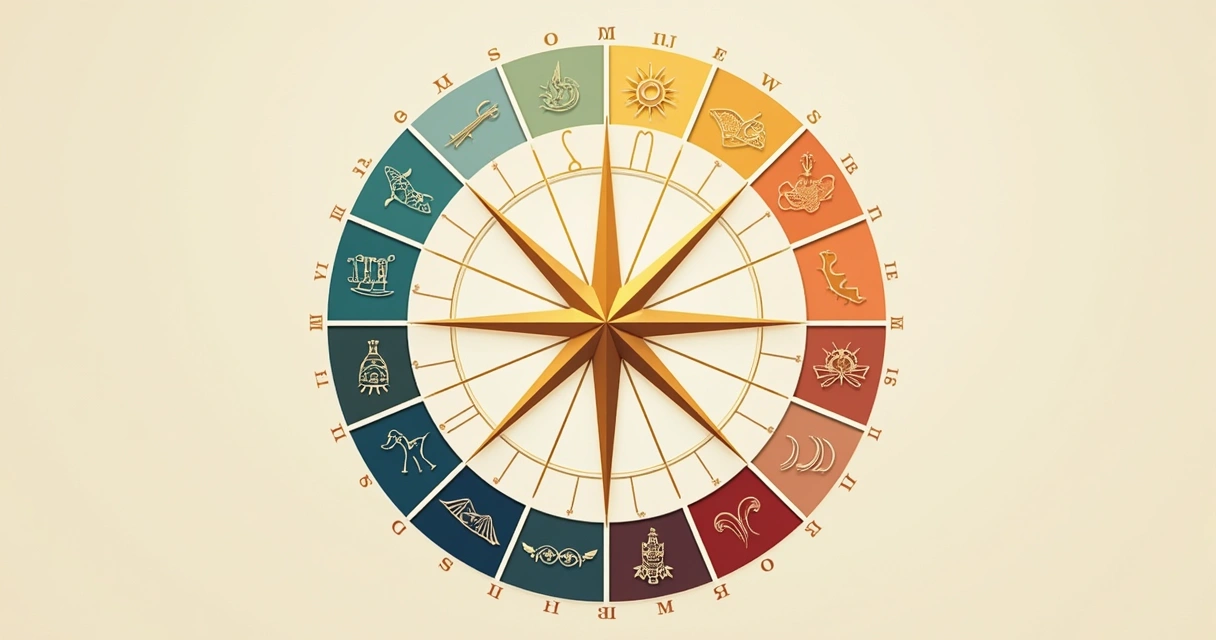
Each astrological sign holds a set of qualities, an element, and a mode (cardinal, fixed, mutable). Let’s organize the 12 signs by dates and offer a keyword for each:
- Aries (March 21 – April 19): Initiative
- Taurus (April 20 – May 20): Security
- Gemini (May 21 – June 20): Curiosity
- Cancer (June 21 – July 22): Sensitivity
- Leo (July 23 – August 22): Expression
- Virgo (August 23 – September 22): Analysis
- Libra (September 23 – October 22): Harmony
- Scorpio (October 23 – November 21): Intensity
- Sagittarius (November 22 – December 21): Adventure
- Capricorn (December 22 – January 19): Ambition
- Aquarius (January 20 – February 18): Innovation
- Pisces (February 19 – March 20): Compassion
People often want to know if their Sun sign “defines” them. In our experience, it gives a strong theme, but the Moon and Ascendant are just as telling and help round out the picture.
Sun, moon, and rising: The trio of identity
A complete understanding of birth chart basics starts with three points:
- Sun sign: Your central identity, what you feel yourself to be.
- Moon sign: Your emotional core, how you react and nurture.
- Rising sign (Ascendant): How others see you, your first approach to new things.
For those creating organized records in MysticLog, noting this “big three” is a solid starting point for any personal or client-based reading.
Sun is your ‘who’, Moon is your ‘how you feel’, Rising is your ‘how you begin’.
The interplay among the three paints a fuller portrait. For example, someone with a Taurus Sun, Gemini Moon, and Aries Rising mixes stable core needs, a curious mind, and an energetic approach to new situations.
Houses: The 12 windows of life
If planets show “what”, and signs show “how”, the houses answer “where” in your life. There are 12 houses, beginning with the Ascendant on the left of the chart wheel and moving counterclockwise.
- Self, body, approach to life
- Finances, values, possessions
- Communication, siblings, thinking
- Home, roots, family
- Creativity, children, romance
- Work, health, daily habits
- Partnerships, marriage, one-on-one bonds
- Transformation, shared resources, intimacy
- Travel, learning, philosophy
- Career, direction, public life
- Friendships, groups, community hopes
- Closure, solitude, soul-searching
If a planet lies in a house, expect its influence there—it’s where that planet’s “voice” is spoken most clearly in your life. We see clients enjoy tracing progress or repeating patterns in MysticLog by tracking planets in a certain house over time, creating detailed and reflective session notes.
 Planets: Archetypes and energies
Each planet in astrology is like an actor on the stage of the birth chart. They describe what kind of energy is at work. Here are the main ones and what they mean:
- Sun: Identity, vitality
- Moon: Emotions, needs
- Mercury: Communication, thought, learning
- Venus: Relationships, attraction, values
- Mars: Drive, action, will
- Jupiter: Expansion, growth, optimism
- Saturn: Structure, limits, discipline
- Uranus: Change, invention, rebellion
- Neptune: Dreams, spirituality, illusions
- Pluto: Power, transformation, depth
In our readings and guides, we highlight which planet is active in which house and sign to give practical insight. For example, Venus in the 2nd house suggests a focus on finding worth and pleasure through material experiences. If Venus is in Gemini, communication will be important in love and friendships.
Elements and modes: The “feel” of a chart
The four elements—Fire, Earth, Air, and Water—run through all signs. Each describes a way of moving through the world. The modes—Cardinal, Fixed, Mutable—describe rhythm and style.
- Fire: Inspiration, action (Aries, Leo, Sagittarius)
- Earth: Stability, realism (Taurus, Virgo, Capricorn)
- Air: Ideas, interaction (Gemini, Libra, Aquarius)
- Water: Sensitivity, emotion (Cancer, Scorpio, Pisces)
Modes:
- Cardinal: Initiators, leaders (Aries, Cancer, Libra, Capricorn)
- Fixed: Steady, enduring (Taurus, Leo, Scorpio, Aquarius)
- Mutable: Adapters, flexible (Gemini, Virgo, Sagittarius, Pisces)
When we organize a beginner’s study session in MysticLog, these themes often emerge, helping new readers reflect on personality or the style of a client.
How planets in signs and houses shape you
Every planet occupies both a sign and a house. This combination delivers a unique message. For example:
- Mars in Leo, 5th House: Expressing drive through creativity, romance, or leadership roles in playful settings.
- Saturn in Aquarius, 11th House: Responsibility and maturity show up strongest in group projects, friendships, or social involvement.
We use MysticLog to keep long-term track of astrological patterns, session notes, and personal growth based on shifting planetary positions—especially when reading for returning clients or building your astrological knowledge over months and years.
 Simple steps to read your birth chart
We believe in making learning step-by-step for beginners. Here’s how to start:
- Gather your birth date, exact time, and place. Even a 15-minute difference can change the rising sign.
- Find your Sun, Moon, and Rising signs.
- Identify where planets fall—in which signs and which houses.
- Consider each house’s meaning and the planets that “visit” them.
- Notice patterns: Do you have many planets in one element or mode? Which house or sign is “crowded”?
We always suggest writing this down or using a tool for organization. That’s why MysticLog lets users save charts, notes, and reflections over time.
Practical examples and digital tools for beginners
Whether studying for yourself or preparing for consultations, we see how using digital support improves confidence. Beginners often wonder how to make sense of all the pieces. Here’s a sample process:
- Record the “big three” (Sun, Moon, Rising) in your MysticLog organizer.
- Make quick notes after each self-study or client reading: What surprised you? Did the Moon’s house match emotional life that week?
- Use the Mystic AI Assistant to ask questions like: “What does it mean if my Mars is in Pisces, 9th house?” or “How can I explain my client’s Libra Sun but Scorpio Moon?”
- Try grouping readings by lunar phases or Mercury retrograde, then compare moods or decisions with your session logs.
Over time, we notice that beginners gain a richer understanding and spot repeating cycles—bringing more insight with every chart they study.
Common questions and answers for those starting astrology
We are often asked about the value and accuracy of astrology. While the National Science Foundation’s 2018 report shows that 60% of Americans regard astrology as “not at all scientific,” there’s a generational divide. For example, younger adults aged 18–24 are less likely to reject astrology. And, as a Belief in Astrology Inventory study discovered, women report greater belief in astrology than men.
Social influences also show up. According to research in PubMed, those with higher admiration for celebrities or certain personality traits may connect more strongly with astrology’s promises and language.
Fortune telling, which overlaps with astrological approaches, can even shape decisions in personal matters. Studies at Assumption University reveal that Thai females, for instance, may factor astrology and divination heavily when making decisions about love.
For those interested in comparing the structure and function of astrology with other divination tools, our guide on the key differences between astrology, Tarot, and Runes is useful.
Using MysticLog to grow your astrology journey
In our view, digital organization turns casual interest into lasting learning. MysticLog’s secure, simple structure means your charts, interpretations, and questions never get lost in a flurry of files. By keeping birth details, session notes, and planets’ influences in one spot, you build a personal astrology library—ready for reflection or sharing with clients.
Our astrology reading guide is perfect for those who want practical steps to read natal charts. And if you’re curious about how astrology “stacks up” compared to Tarot or Runes, check out our comparison article. For more related insights, the full astrology category in our blog is updated often with guides and examples.
Personal scenarios: Applying astrology insights day by day
Let’s look at how organized astrology can make a difference.
- During a relationship decision: Note your client’s Venus and Mars placements. Do these align with open communication, or do they suggest hidden tension? Record outcomes over time in MysticLog, creating a log for future comparisons.
- When changing jobs: Examine your 6th and 10th houses for triggered planets, then log the circumstances and feelings at each new opportunity.
- When feeling “off”: Review the Moon’s sign and house—many people notice shifts in mood during monthly lunar movements. Writing this in a digital journal highlights emotional patterns.
Beginner readers who record their discoveries grow more confident, seeing how theory shows up in reality. For more on Tarot and self-discovery as complementary practices, our guide to Tarot card self-discovery is a helpful companion.
Conclusion: Growing with astrology, from a practical base
We have seen that learning the basics of astrology—signs, houses, planets, and your “big three”—truly opens up the possibility of self-awareness and richer reading sessions.
Today, old myths mix with fresh technology. With MysticLog, storing, reviewing, and reflecting on your astrological journey becomes structured and accessible. Whether you’re a passionate beginner or someone guiding others, organization supports intuition and learning at every step.
Start your astrology journey in a way that’s organized and meaningful. Try MysticLog and see how easy it is to build your digital astrology library, one insight at a time.
Frequently asked questions
What is a birth chart in astrology?
A birth chart (or natal chart) is a map of where the planets, Sun, and Moon were located at the exact time and place of your birth. It shows your rising sign, planetary placements, and the 12 houses, revealing unique patterns and tendencies for each individual. The chart serves as a blueprint for personality, relationships, and life’s potential lessons.
How do I read my zodiac sign?
Your zodiac sign is determined by the position of the Sun on your birth date. To read your Sun sign, learn about the qualities, element, and mode of that sign, then consider how those traits appear in your actions and choices. For a deeper reading, look up your Moon and rising signs to capture more layers of your astrological profile.
Where can I get a free birth chart?
There are many places online to calculate a free birth chart using your birth date, time, and place. However, we recommend recording or tracking your chart and future readings in a secure, dedicated platform like MysticLog, so you always have detailed notes and interpretations available for review and reflection.
What are the main parts of a birth chart?
The main parts of a birth chart are the zodiac signs, planets (including the Sun and Moon), astrological houses, and the aspects (angles between planets). Each component reveals an area of life or a personal pattern and, taken together, creates a whole-life map unique to each person.
How accurate is astrology for beginners?
Astrology’s accuracy for beginners depends on clear data (date, time, place) and careful interpretation. While scientific opinions and public attitudes vary (as seen in studies about belief in astrology), many people find the symbolism insightful. With regular practice, digital notes, and a willing approach, beginners often learn to pull useful meaning from birth charts—even if refining interpretation takes time.


